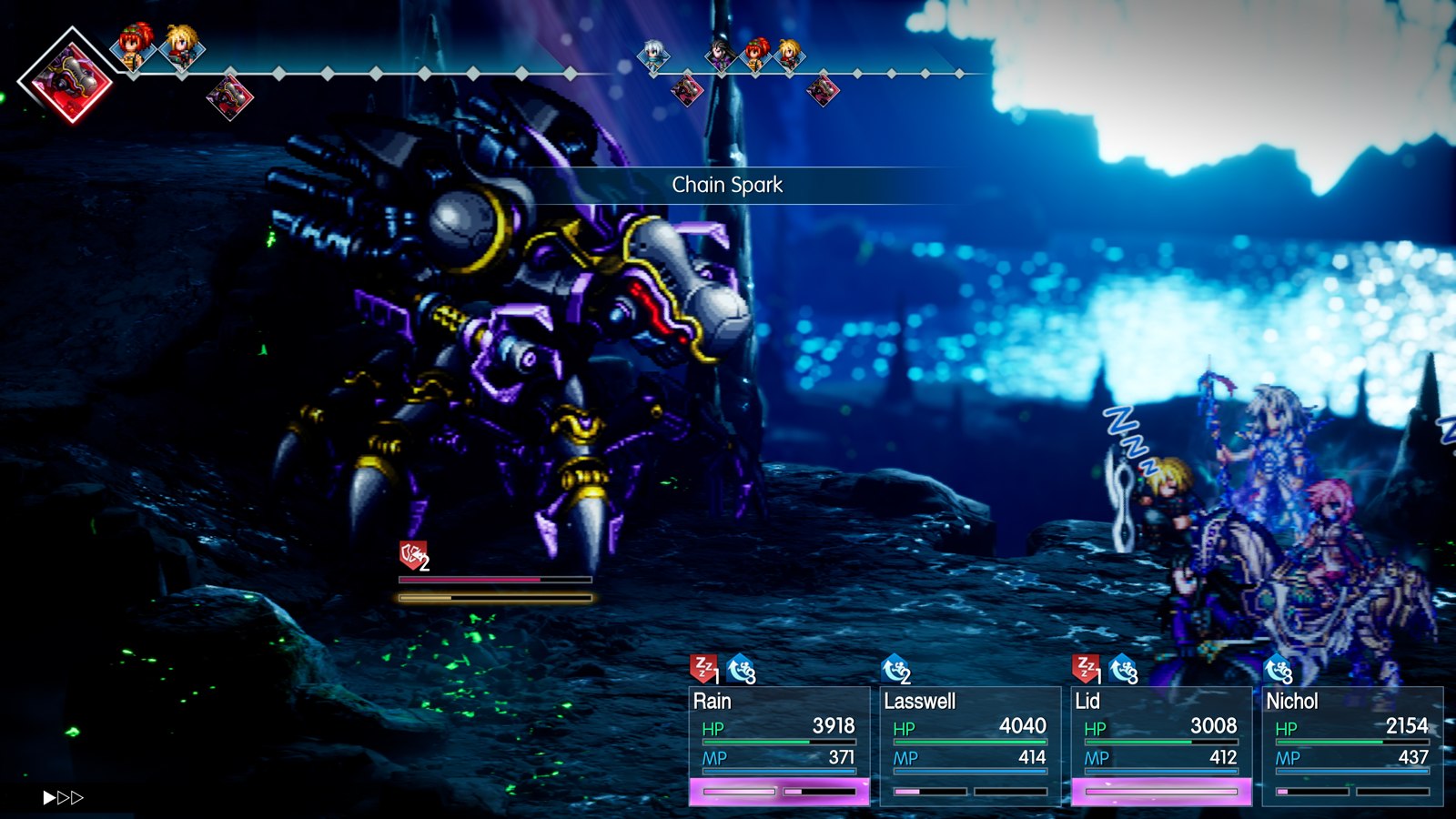
Final Fantasy Resonance earns an NGC Rating of 83 from six verified reviews, with its turn-based battles drawing more consistent enthusiasm than its story. The useful buying question is whether you want a satisfying combat system to tinker with or a cast and plot that will carry the whole adventure. Critics are much closer to agreeing on the former.
That distinction matters more than treating 83 as a universal recommendation. This sample ranges from 60 to 95, with four Switch 2 reviews and two PS5 reviews. It captures a disagreement about what makes a good Final Fantasy, not a dependable ranking of the hardware versions.
The NGC Rating is the unweighted mean of these six overall scores, normalized to 100 and rounded to the nearest whole number. Scores, scales and reviewed platforms were verified on October 20, 2026, at 10:58:24 a.m. PT. This is a synthesis of published reviews, not our own hands-on verdict.
Six reviews, two platforms
| Critic / platform | Original score | Score /100 | Normalized bar |
|---|---|---|---|
| CGMagazine (Switch 2) | 9.5/10 | 95 | |
| PlayStation LifeStyle (PS5) | 9/10 | 90 | |
| Pocket Tactics (Switch 2) | 9/10 | 90 | |
| Nintendo Life (Switch 2) | 8/10 | 80 | |
| TheSixthAxis (Switch 2) | 8/10 | 80 | |
| VGC (PS5) | 3/5 | 60 |
This is a selected six-review sample, not a claim to include every review. It contains no original Switch, Xbox or PC assessment. Nor should the average be read as a handheld-versus-docked test: the listed Switch 2 scores don't provide a consistent, separately measured comparison of those modes.
Combat is the strongest shared recommendation
CGMagazine and PlayStation LifeStyle both praise the tactical battle system, including how stagger mechanics add decisions beyond choosing your next attack. Nintendo Life also likes the flexible Vision system, while even VGC's substantially cooler review finds something to enjoy in Vision-enhanced battles. The common thread is room to adjust how your party works, rather than nostalgia doing all the lifting.
For you, that points toward a particular kind of purchase. If experimenting with a party is the reason you return to turn-based RPGs, the positive reviews offer a stronger shared case than the average alone suggests. Read the battle-system discussion before deciding whether the high scores reflect your tastes. A familiar story can be acceptable when making the next fight work is the attraction.
The reverse is equally important. Strong combat doesn't settle whether you'll enjoy the journey between battles. Both CGMagazine and VGC criticize routine errands, although Nintendo Life is more positive about the breadth of exploration and side quests. There isn't a clear mandate here to clear every marker. Consider whether optional activities sound rewarding in their own right, rather than assuming a bigger checklist means a better purchase.
Story expectations explain more than the score gap
Pocket Tactics responds warmly to the characters and their emotional journey. Nintendo Life and VGC are much less persuaded by the storytelling, with VGC finding the cast and plot too familiar. Those judgments can coexist: recognizable RPG archetypes may feel welcoming to one player and predictable to another.
That makes the lower-scoring review useful even if you usually buy games rated eight or nine. Its objections help you identify the cost of the recommendation. If distinctive writing is what keeps you playing a long RPG, weigh those reservations alongside the enthusiastic character response. Don't assume praise for combat promises equally memorable drama.
The Switch 2 technical impressions also need care. Pocket Tactics reports a smooth experience; TheSixthAxis describes occasional frame-rate drops. These are different reviewers' observations, not comparable measurements that establish one definitive performance result. The selected reviews don't support a claim that handheld or docked play fixes those concerns, and they don't justify declaring PS5 the better version.
Use this roundup to choose which review to read next. Start with the combat-focused praise if party building is your priority; read the story and side-quest criticisms first if those are usually your deal-breakers. Buy for the parts you actually enjoy, rather than expecting the NGC average to resolve a disagreement about taste.