A game demo should help you decide whether you want to keep playing after the impressive introduction ends. Our view is that its most useful ingredient is an ordinary stretch of play: the movement, choices and small frustrations you'd be agreeing to spend more time with.
Imagine two samples of the same fictional adventure. One gives you a spectacular escape sequence and ends before you can explore. The other teaches the controls, offers a small quest with two approaches and lets you return to town. The first might sell the premise more dramatically. We'd rather use the second to decide whether to buy.
This isn't a complaint about any particular release, or a claim that every game needs a demo. It's a proposal for what a playable sample ought to prove, and a way to get more useful information from the next one you try.
Let the player make a complete decision
The ideal sample would include a small, understandable cycle: notice a problem, choose an approach, see the result and prepare to try something else. In our imaginary adventure, that could mean choosing equipment, crossing a dangerous path and spending the reward. In a racing game, it could mean choosing a car, adjusting a setting and driving another lap to judge the difference.
That second attempt matters. A single successful run can leave you unsure whether you enjoyed making decisions or simply enjoyed winning. A chance to change your approach lets you ask a more revealing question: is there something here I want to learn?
A demo doesn't need to reveal every system to answer that. Giving a newcomer a fully equipped character with unexplained abilities might obscure the appeal as easily as an opening with too few choices. We'd favour a modest set of tools, a clear purpose for each and room to experiment without a long detour through tutorials.
Nor does ordinary play have to mean dull play. The point is to show a representative activity with consequences you understand. An exciting fight can do that. A carefully staged spectacle can too, provided the sample also gives you a turn to steer the experience.
Show the quieter parts of playing
Our preferred demo would leave the settings menu available and make its limitations clear. Can you change the controls? Can you read the text from your usual seat? Does the camera behave in a way you're comfortable with? These are useful questions even if you don't finish the sample's main objective.
We'd also want the demo to explain what carries into a purchase, if anything. Progress, selected settings and earned rewards are different things. A plain statement about each would be more useful than a vague promise that the adventure continues. If nothing transfers, say so before asking players to spend time collecting optional items.
There are reasonable limits to this wish list. A short puzzle game could give away too much by providing a complete sequence of discoveries. A story-led game may need its opening to establish why anything matters. Building and maintaining a separate sample also asks work of its creators. A representative demo is an editorial choice, and the right slice will differ between games.
That's an argument for being explicit about the sample's purpose. Is it demonstrating combat, introducing the story or offering the opening chapter? We wouldn't expect a combat showcase to prove that the entire adventure has good pacing. We would expect to know that's the question it can answer.
Give your next demo a simple test
Before you start, choose the uncertainty you're trying to resolve. Perhaps you're interested in the world but unsure about the movement. Perhaps the combat appeals to you, but you need to know whether its menus and text are comfortable on your screen. Picking one question gives the session a purpose beyond reaching its end.
Play long enough to make a choice, notice its result and, where the sample permits, try again differently. Then write down what you enjoyed doing. "I want to try that route with a different weapon" tells you more about your interest than "the ending looked amazing."
Keep unanswered questions separate from disappointments. A sample that doesn't include multiplayer tells you nothing about whether playing with your friends would work well. A section built around one environment can't settle how varied the whole game will feel. Leave those gaps open until you find relevant evidence.
Finally, don't treat finishing the demo as an obligation to buy. A useful sample can leave you pleasantly satisfied, interested enough to investigate further or certain you'd rather play something else. Judge it by how clearly it helps you make that choice.
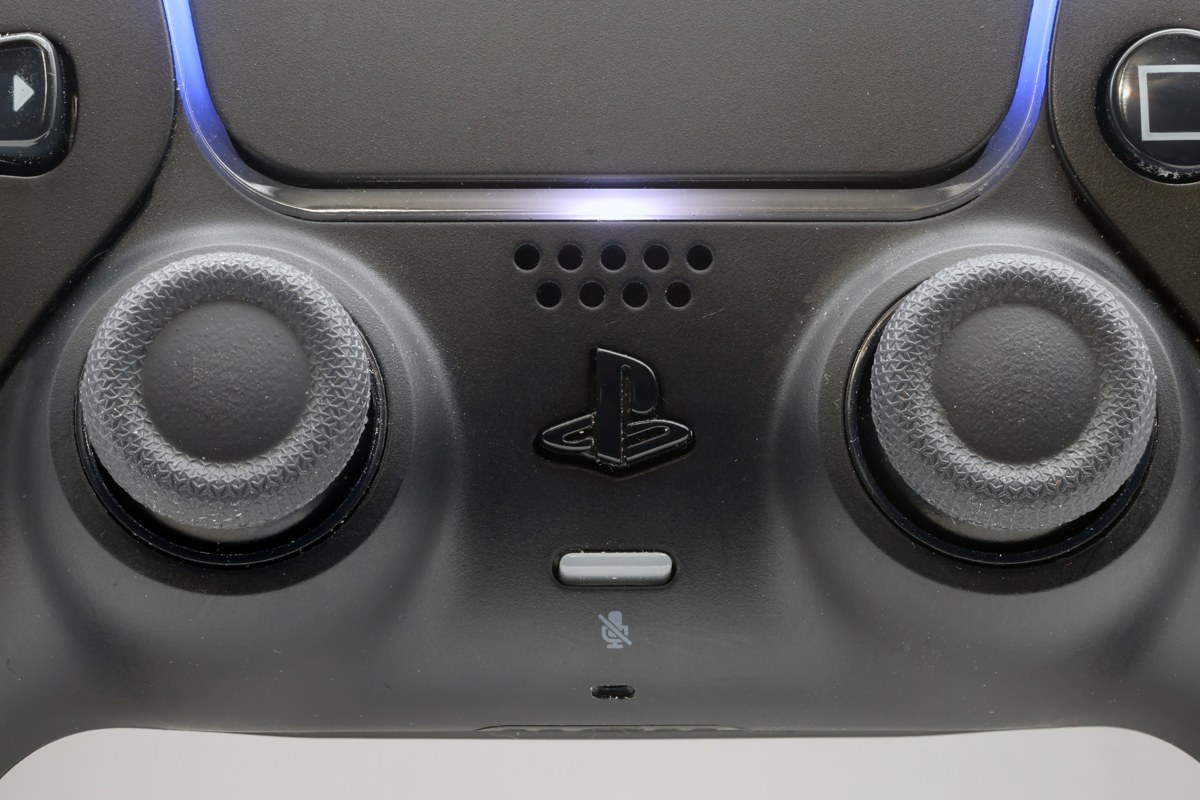
Photo: Chris Woodrich via Wikimedia Commons, CC BY-SA 4.0. Resized; the photograph remains under that license.
