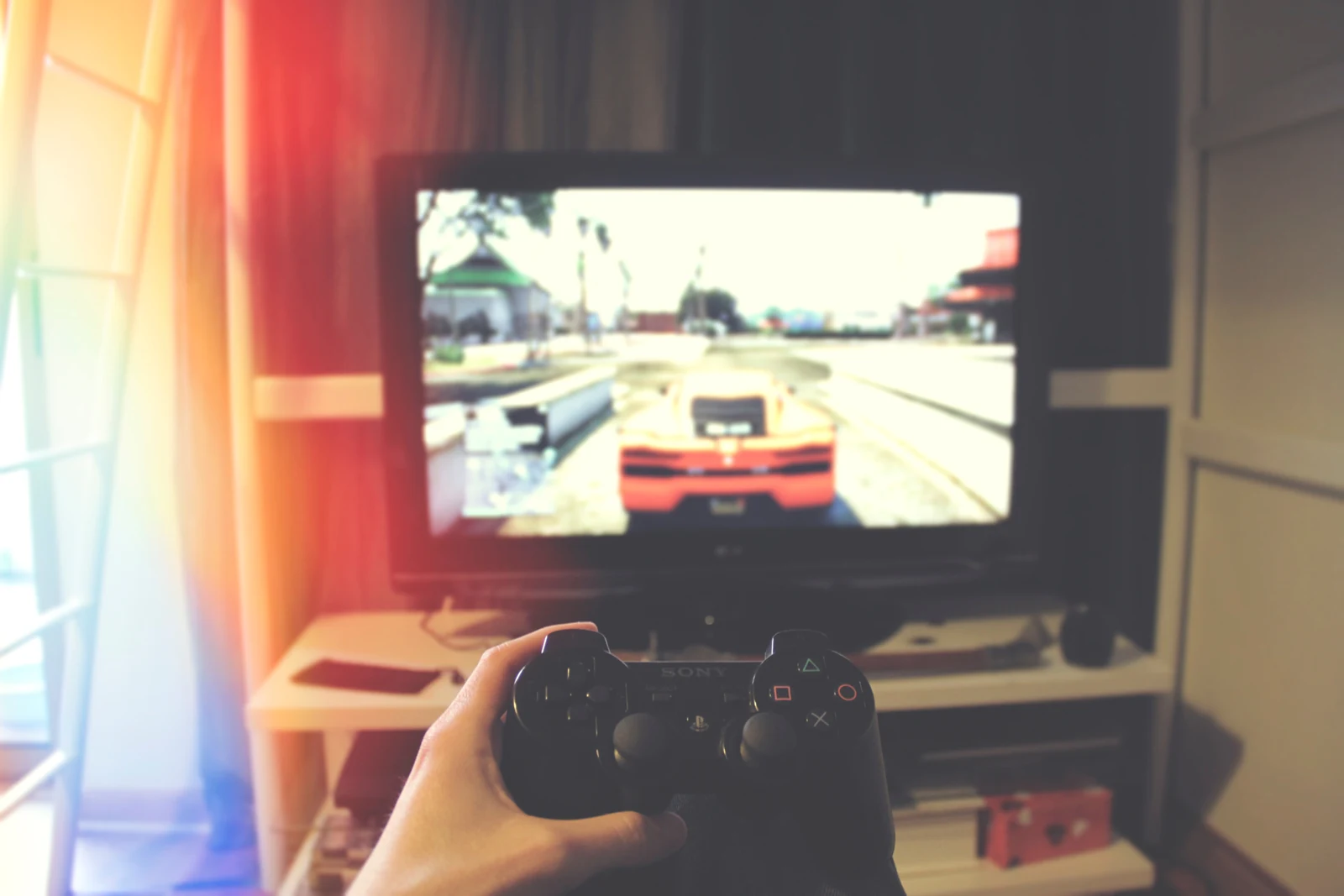
A pause button should be the safest button you can press during a story scene. You want the game to wait while you answer the door, read a line again or listen to someone in the room. You shouldn't have to wonder whether the same press will throw away the scene instead.
Here's the design standard we'd like console games to meet: make pausing and skipping clearly separate actions, explain both before the first scene, and let the player return without losing the thread. That's a proposal for how games should work, not a claim about a particular release or a report from hands-on testing.
The distinction matters because the two actions express opposite intentions. Pause says you want to pay attention, just a little later. Skip says you're ready to move past something. A control scheme that makes you hesitate between them turns a simple interruption into a decision about whether to risk missing the story.
Make the first press safe
Our preferred setup would freeze a solo scene immediately when you press the pause control. A small overlay could offer three clearly labelled choices: resume, restart this scene and skip. Resume should be selected by default. Skipping should take a separate, deliberate confirmation rather than another tap of the button you used to pause.
That confirmation doesn't need to be a lengthy warning every time. A short hold could work, provided there's also a configurable alternative for someone who finds holding a button uncomfortable. The important part is that the player understands what will happen before committing.
There should also be a brief explanation at the start of the game, with the same controls available in a menu later. The opening scene is a poor place to ask someone to experiment. If a game deliberately prevents pausing at a particular moment, it should say so clearly rather than leaving the player to discover the exception after an interruption.
A shared online scene presents a different problem. One player shouldn't silently freeze everyone else's evening. A group pause request or a personal dialogue history might be a better compromise. The interface should make that difference visible instead of borrowing a solo pause symbol that promises something the session can't deliver.
Help the player find their place
Freezing the picture solves only part of the problem. Imagine returning after a phone call and remembering the room on screen but forgetting the question a character just asked. A small optional dialogue history could help without restarting several minutes of conversation.
We'd keep it limited to lines already delivered. It shouldn't reveal upcoming dialogue, identify a character the story hasn't named yet or explain a mystery on the player's behalf. Letting you reread what you heard is enough.
Restarting a scene could be useful too, but its scope needs a clear label. Would it replay dialogue only, return to an earlier checkpoint or reset a choice? Those are very different consequences. A replay feature should preserve decisions already made unless you explicitly choose to rewind progress.
The same care should apply to resuming. An optional short countdown would give you time to put down a drink and read the screen. Someone who wants an immediate return should be able to disable it. The goal is control over an interruption, not another mandatory delay.
There's a reasonable artistic objection: a director may want a revelation or a musical cue to land with precise timing. We'd still favour giving the player a safe pause. An interruption in the room won't disappear because the game refuses to acknowledge it. Letting someone stop and return attentively is a better compromise than asking them to choose between the scene and whatever needs their attention.
For players, the practical precaution is modest: check a new game's scene controls before relying on them, ideally during an opening you can easily replay. Don't assume the console's system menu pauses the game underneath. Until a game makes its behaviour clear, a button labelled “skip” should be treated as exactly that.
For developers, the standard is simpler still. Let the first pause be reversible, make skipping intentional and preserve the words the player has already heard. A story worth watching is worth letting someone pause.