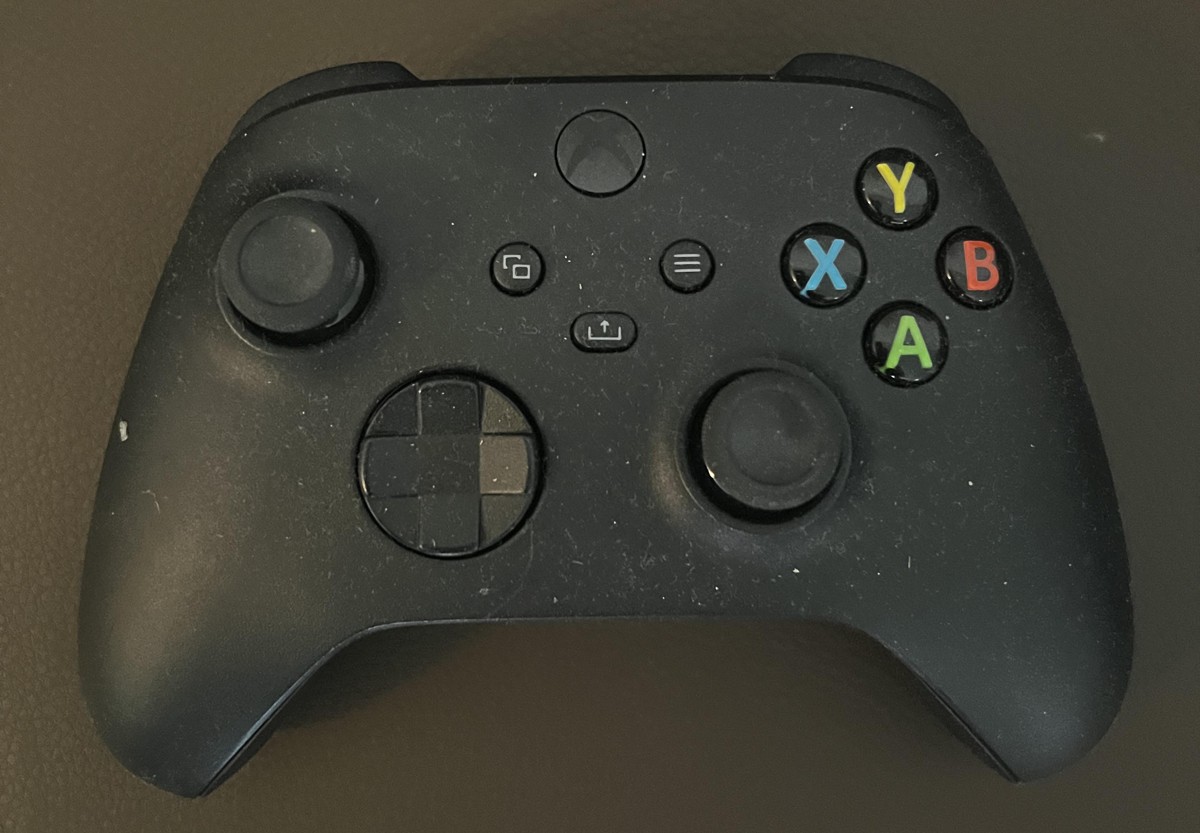
A difficulty menu should tell you what you're agreeing to. If I choose a harder fight, I want to know whether that means more demanding enemies, less room for mistakes or simply a longer fight. Those are different experiences, and a name such as “Veteran” doesn't help me choose between them.
My preference is for a short explanation beside each preset, with the important differences spelled out before you begin. Keep the convenient labels, but describe the rules underneath them. You shouldn't have to start a second playthrough just to find out what the first menu meant.
Describe the challenge, not the player
Imagine two hypothetical versions of the same encounter. In one, enemies flank you and interrupt careless attacks. In the other, they behave exactly as before but take twice as long to defeat. Both could reasonably be called harder. I'd enjoy learning the first version's patterns more than repeating the second version's attacks, but someone else might prefer a forgiving fight that lasts longer.
The useful distinction isn't which player is more serious. It's what each person wants to spend time doing. A description such as “Enemies attack more often; your health is unchanged” gives you something to work with. “For experienced players” asks you to judge yourself without explaining the experience.
A menu wouldn't need to reveal enemy statistics or spoil a surprise encounter. Plain language would be enough: scarcer healing, shorter reaction windows, more aggressive opponents, fewer checkpoints. If a setting changes only damage, say so. If it changes several things, name the ones that will most affect how you play.
I'd also separate the challenge of succeeding from the cost of failing. A difficult fight with an immediate retry asks for concentration. The same fight followed by a long journey back asks for concentration and patience. Neither structure is automatically wrong, but I'd want to know which one I was choosing. “Hard” shouldn't have to carry all of that information alone.
Explain what you can change later
The second question is whether your first choice is permanent. Before starting, a game should say whether you can switch presets, whether individual assists remain available, and when changes take effect. If changing a setting requires a restart or affects a challenge award, that belongs beside the choice rather than in a warning several hours later.
I'd prefer a reversible first decision wherever the design allows it. Let me try an early encounter, then adjust the settings without treating that adjustment as a failed commitment. A short practice encounter could help, but it shouldn't become another test players must pass to reach the story.
There's a fair argument for protecting a deliberately fixed experience. A survival mode might depend on keeping the same resource rules throughout a run. A competitive challenge might need a stable basis for comparison. In those cases, explain the restriction clearly and offer it as a conscious commitment. My objection is to discovering the restriction after making the choice, not to fixed rules themselves.
Detailed controls can also become their own burden. I wouldn't want every new game to open with twenty sliders and a homework assignment. Start with a few understandable presets, show the differences, and tuck individual adjustments into an optional menu. Someone who just wants to play should still be able to make an informed choice quickly.
For players, this suggests a better way to assess a difficulty option than asking whether you're “good enough” for it. Decide what you actually want more of. Is it tighter timing, tactical decisions, resource planning or a greater penalty for mistakes? Then check whether the game's description answers that question. Don't assume the next preset up changes the part you care about.
After a short session, pay attention to why you're restarting. If you're enjoying learning an encounter, the challenge may be doing its job. If you're mainly repeating a route or waiting for a health bar to empty, consider changing the available settings rather than feeling obliged to preserve your opening choice. That isn't a judgement about how anyone else should play.
Choose the rules that make you want another attempt. And when a menu won't explain those rules, treat its difficulty labels as incomplete information, not a verdict on your ability.