Imagine finishing a dungeon with a bag full of equipment. One new sword would change how you fight. Six others are things you've already decided you don't want. Choosing whether to try that interesting sword is part of the adventure. Moving the same unwanted items through the same menus is a less appealing reward.
Our view is that games should let you automate those repeated decisions while keeping the interesting ones in your hands. A useful inventory should help you compare, experiment and prepare. It shouldn't require you to prove, item by item, that you still mean the sorting rule you chose ten minutes ago.
Keep the decisions that matter
There is a good argument for making space scarce. Consider an imaginary expedition where bringing another healing item means leaving behind a tool that could open a different route. That is a meaningful choice because both options offer something you want. Removing the limit would change the expedition itself.
The same applies to a game built around arranging objects in a small case. Fitting everything together might be the puzzle you came to solve. We wouldn't want an automatic tidy button forced on someone who enjoys that challenge.
The question is what the restriction asks you to think about. If you are weighing risk, choosing a fighting style or giving up one opportunity for another, the menu is doing useful work. If you are repeating an answer you've already settled on, we'd rather the game remember it.
That distinction matters more than simply asking for bigger bags. An enormous inventory could postpone the cleanup without making it more interesting. It could also leave you with a larger pile to understand when you finally stop. Better tools should make your intentions clearer, rather than just give you more room to avoid deciding.
Let players set cautious rules
For our imaginary dungeon game, we'd start with an optional rule that marks familiar unwanted items for sale. Marking is important: the game should show you what it proposes before anything disappears. A simple summary would let you check the selection without opening every object's description.
The rule should be specific enough to trust. “Sell anything weaker” is a poor instruction if a weapon's unusual effect matters more to you than its damage number. A safer example would be “mark ordinary duplicates of these named items,” with an obvious list you can change.
Protection needs to be equally deliberate. Favourites, equipped items and anything you have explicitly reserved should stay outside the rule. Newly discovered equipment could wait for your first inspection. A bulk action should explain its exceptions beside the confirmation, not leave you guessing whether a lock icon applies everywhere.
We'd also want an undo option wherever the game's design allows it. A reversible sale offers room to learn a system without turning one mistaken button press into a permanent loss. Where reversal would undermine a deliberate survival challenge, the game should say so clearly before you commit.
None of this requires the game to choose your build. Deciding that a peculiar shield is worth trying should remain yours. The useful assistance begins after you decide which repetitive tasks you're happy to delegate.
Make the menu comfortable on a controller
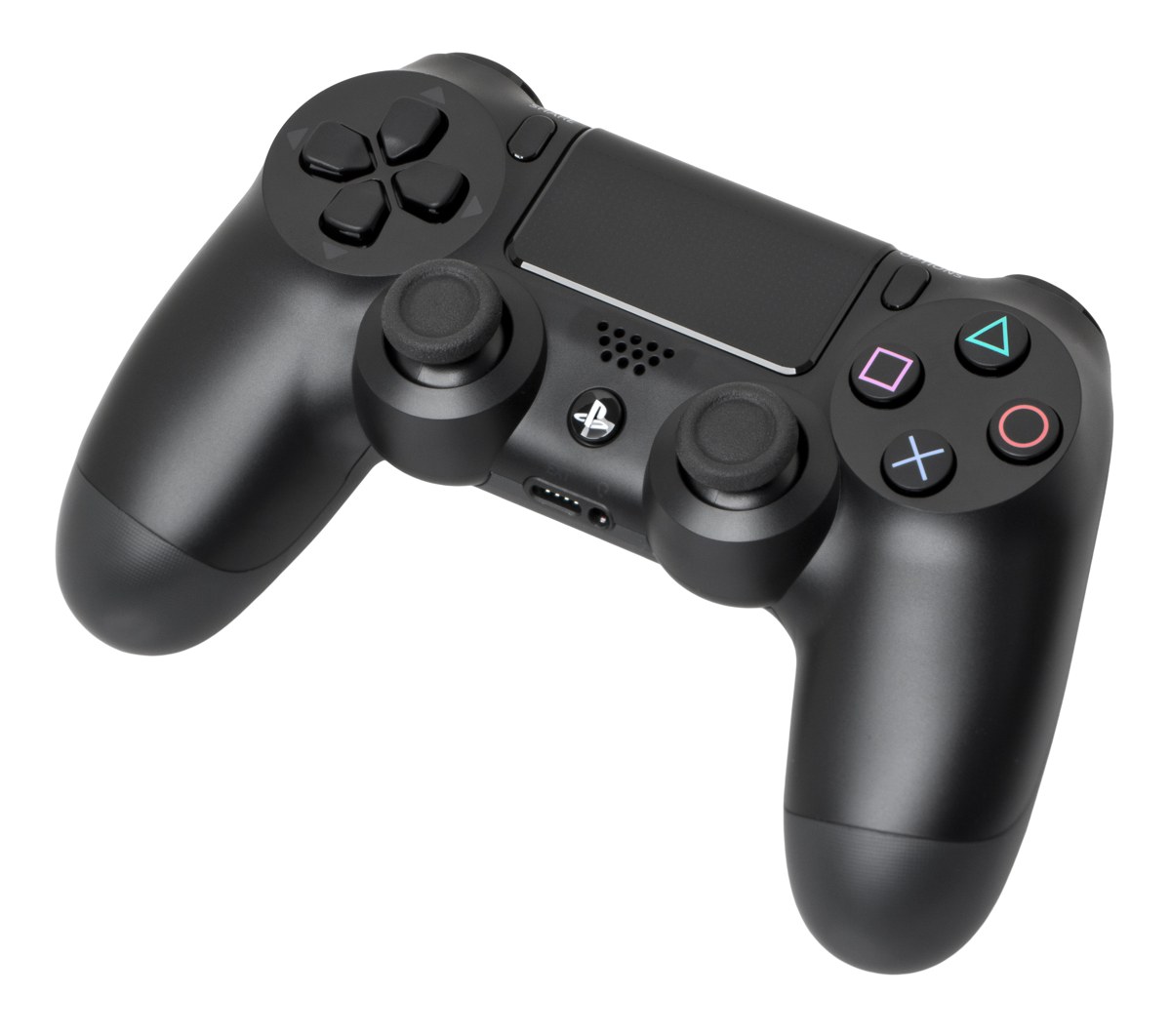
A console inventory deserves a clear path through its most common jobs. In our preferred design, you could compare a new item with what you have equipped, mark it, move to the next item and return to the same place in the list. Sorting shouldn't unexpectedly send the selection back to the top.
Batch selection would help, but only with a visible count and a clear way to cancel. A faster menu that makes you nervous about accidental disposal has solved only half the problem. Useful shortcuts should feel predictable before they feel clever.
There are costs to this proposal. More rules mean more settings to explain, more combinations to test and more opportunities for confusing exceptions. A small adventure might be better served by fewer items and a straightforward menu. We'd prefer that honest simplicity to an elaborate automation screen that becomes another chore.
You can use the same distinction when deciding whether an inventory system suits you. Look at a stretch of ordinary play and ask what the menu makes you decide. Is choosing what to carry creating anticipation, or are you repeatedly clearing things you never wanted?
In a game you're already playing, check for favourites, filters and bulk actions before inventing a complicated routine of your own. Use only the rules whose consequences you understand, and keep unfamiliar equipment out of any automatic cleanup. The aim is to spend your attention on the next interesting choice, with enough control to trust what happens in between.