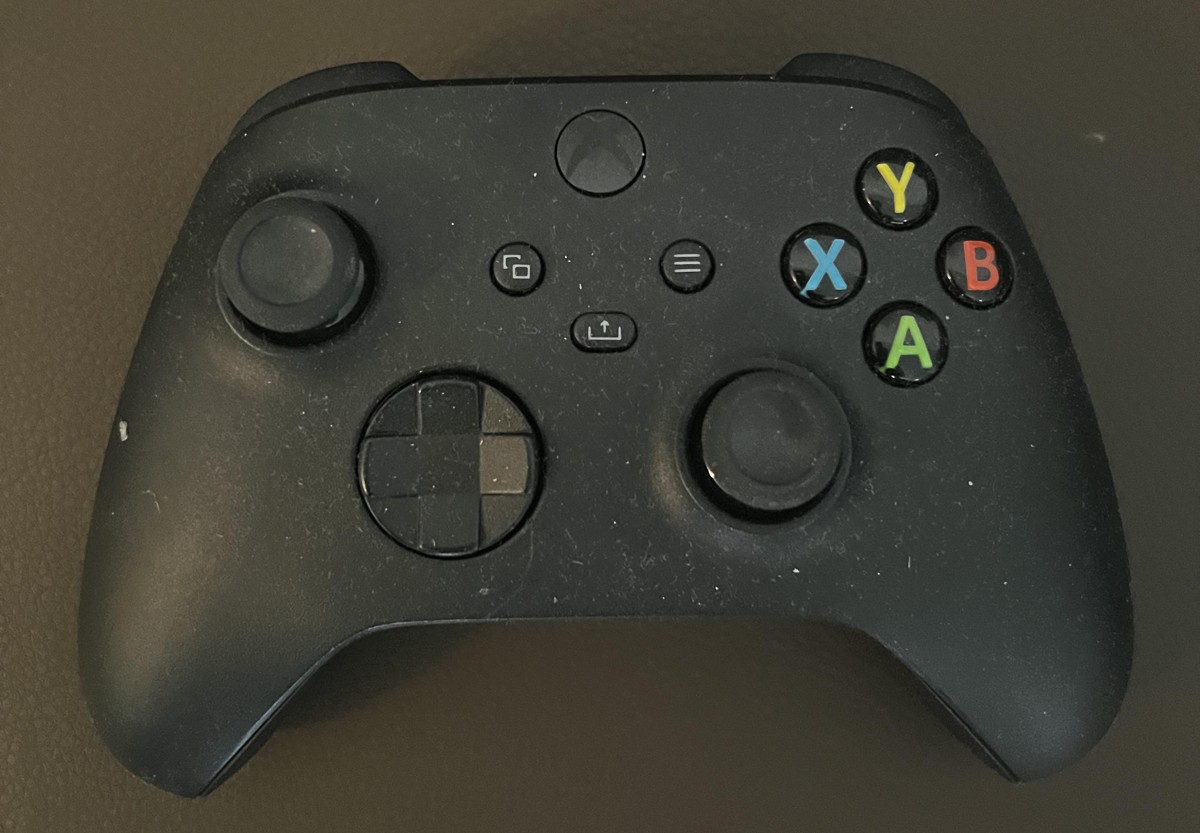
Changing a controller layout should come with somewhere safe to try it. If you move dodge to a different button, you ought to be able to test that choice before an enemy is swinging at you. A diagram can explain the assignment. It can't tell you whether the new arrangement feels comfortable when you move, aim and react together.
Our proposal is a small practice space attached to a game's controls menu, with an obvious way to return to the previous layout. This is an argument for a design standard, rather than a report about a particular game's features. The aim is to let you make an informed choice without putting progress at risk.
Imagine swapping two actions because one requires an awkward reach. In the menu, both labels look sensible. Once you start playing, however, you might discover that the new combination asks the same finger to do two things at once. A good setup process would help you notice that conflict while the stakes are still low.
Try the actions together
The practice space wouldn't need a separate tutorial campaign. A plain room, a target and a few suggested exercises could be enough: move while looking around, interact with an object, then use the actions you've just reassigned. The exercises should be optional, with no score or demand to demonstrate competence before leaving.
It should use the proposed layout immediately, while leaving your saved layout intact until you confirm. Clear prompts could show both the action and its assigned button. If you change a button again, those prompts should update with it. The screen needs to describe what your hands are being asked to do, rather than continue teaching the default scheme.
There's an important distinction between testing and teaching. A test area shouldn't reveal an ability that the story hasn't introduced. For a new player, it could offer only basic movement and the actions already available. Later, it could expand to include unlocked combinations. That would make it useful when returning to a game without spoiling what's ahead.
The same principle applies to holding, tapping and repeated presses. If the menu offers different ways to perform an action, the test should demonstrate the selected behaviour. A label alone can leave a question unanswered: does a toggle stay active until pressed again, or stop when another action interrupts it? Let the player observe the result in a harmless setting.
Make undo easier than starting over
A changed layout should have a simple escape route. We'd want three clearly different choices: keep these changes, return to the previous layout, or restore the game's defaults. The previous layout matters. Someone who has carefully adjusted several controls shouldn't have to rebuild everything because one experiment went badly.
Navigation needs special care. A player trying a new scheme should never have to solve a button puzzle to leave the test. Keep a clearly explained exit available, and avoid letting a gameplay remap silently remove the only comfortable way to confirm or cancel. Where possible, offer more than one way out.
This doesn't mean every game needs an elaborate controller workshop. A short puzzle game might only need an interactive diagram that lights up the action you press. A game with layered movement and combat could justify a small playable area. The right size depends on the decisions the settings menu asks the player to make.
There's also a fair cost objection: a practice area is another part of the game to build and maintain. We'd prioritise it where the controls are complex, where actions can be combined, or where a mistaken input could discard meaningful progress. A modest, accurate test is more useful than an ambitious one that behaves differently from the game itself.
For players, a practical approach is to change one assignment at a time and keep a record of the layout that already works. Where a safe practice area exists, try the new combination there before committing to a difficult encounter. If it doesn't, choose a low-stakes moment rather than experimenting halfway through something you don't want to repeat.
The best outcome is a setup screen you can leave confidently. You should know what changed, have felt the important combinations in your hands, and know how to undo the experiment. A control option becomes much more useful when the game helps you decide whether it actually suits you.