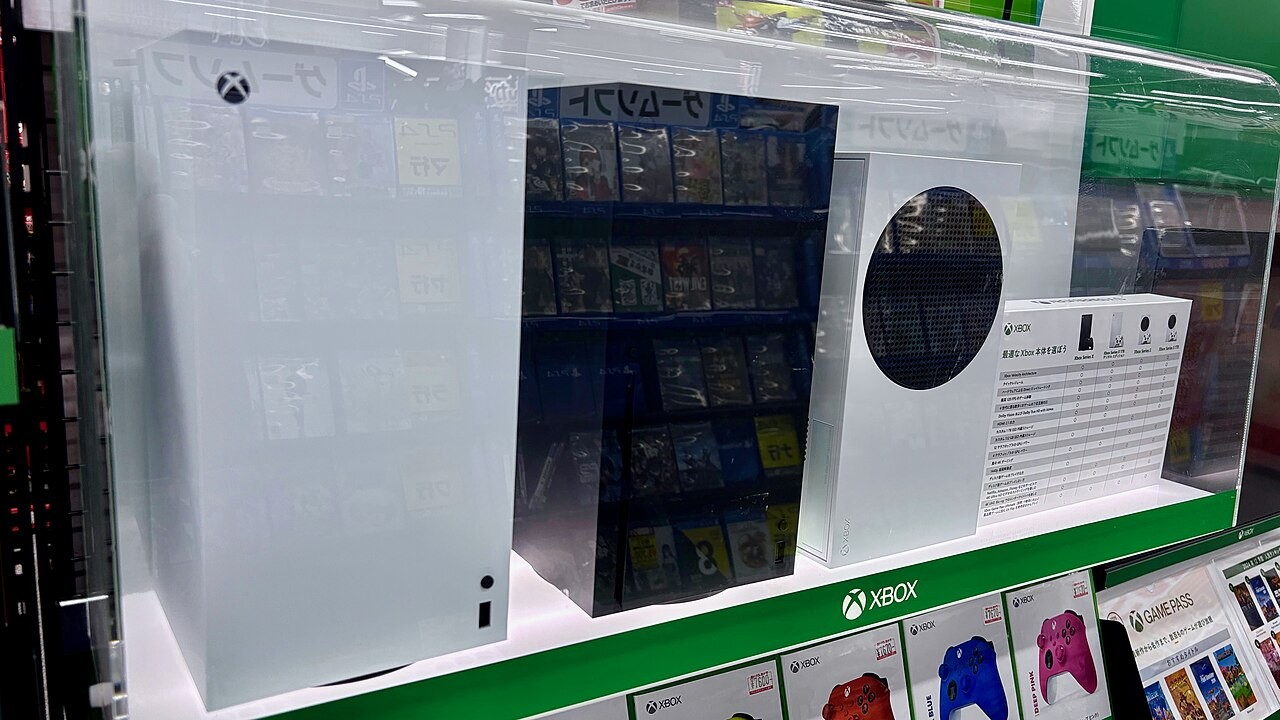
Xbox is asking Game Pass subscribers to hold two ideas at once this fall: keep downloading (or streaming) day-one Ultimate and PC Game Pass launches on a busy September–October calendar, and get ready for monthly cloud-hour limits that start in November. That combination—aggressive software cadence plus metered streaming access—is the real story for console players who live on phones, tablets, TVs, and browsers more than on a local Series X|S install.
On September 3, Xbox Wire spelled out the November model. Game Pass plans will include a fixed allotment of cloud gaming hours each month: 15 hours for Ultimate, 10 for Premium, and 5 for Essential. Today, eligible subscribers can stream without those monthly caps. Microsoft says it expects the change to affect about 4% of Game Pass subscribers—a minority, but one that skews toward heavy cloud users on non-console devices. Extra hours will be purchasable through the Xbox Store once the included pool runs out, with pricing and market details promised before the switch flips. Players will also be able to buy cloud playtime without a Game Pass subscription to stream eligible games they already own.
The software side never slowed down
Twelve days later, Xbox Wire’s September 15 Game Pass wave 2 read like a counterpoint. The catalog is still shipping big day-one Ultimate/PC titles into early October: Dune: Awakening on September 22, Minecraft Dungeons II on September 29, and Gears of War: E-Day on October 6, plus a dense mid-September slate already in motion. That is not a soft quarter for Game Pass software—it is a reminder that Microsoft still wants the subscription to feel like the front door for new Xbox-first and multiplatform launches.
Put those two announcements next to each other and the strategy becomes clearer. Local downloads and console installs stay uncapped in the usual sense; the meter is aimed at the cloud pipe that lets you play without the box in the room. For someone on a Series X with a fat SSD, November may change almost nothing. For someone clearing a Gears campaign on a hotel TV, a phone on the train, or a browser session at a relative’s house, 15 Ultimate hours is a planning problem, not a footnote.
Who actually feels the November shift
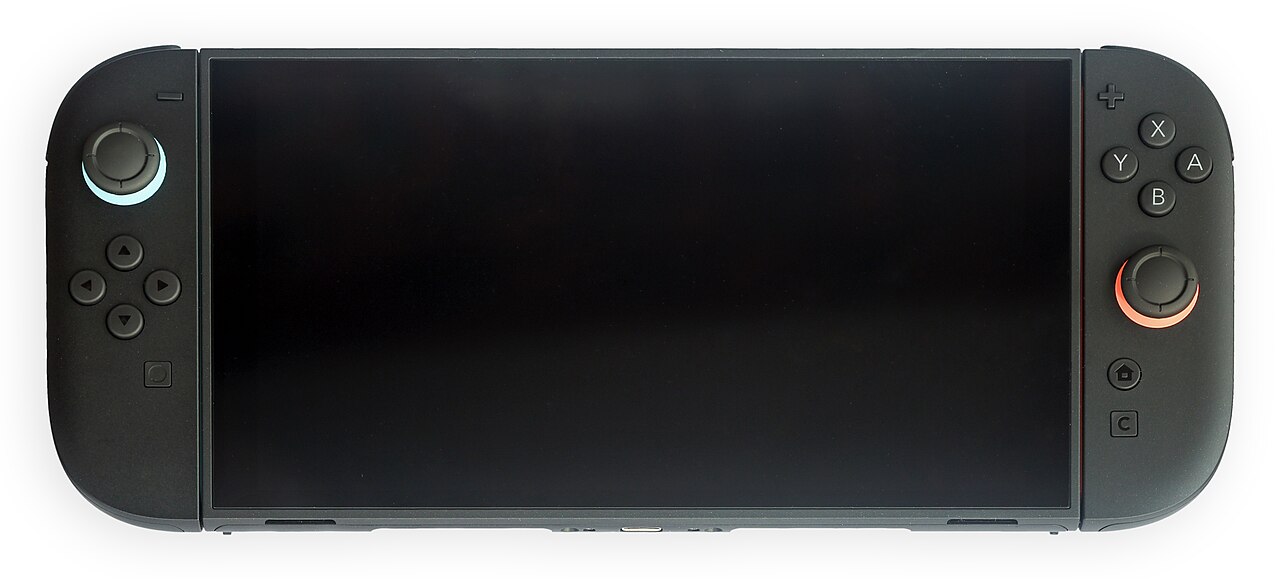
Handheld and remote Xbox players are the obvious pressure point. Cloud is how a lot of Game Pass sessions happen when the living-room console is occupied, offline, or sitting in another city. Fifteen Ultimate hours is roughly two evenings of a long campaign if you binge, or a careful ration if you treat cloud as your primary way to play. Premium’s 10 and Essential’s 5 tighten that further. Microsoft’s own framing—that only about 4% of subscribers regularly exceed today’s unlimited model—implies the change is targeted at power streamers, not casual downloaders. Still, fall is when day-one titles tempt people to “just try it in the cloud” before committing disk space.
The new buy-cloud-hours-without-Game-Pass path softens one edge: Xbox One owners and occasional streamers can pay for playtime on games they already own without keeping a recurring subscription. That helps markets where a Series upgrade is expensive or hard to find. It does not, by itself, restore unlimited binge streaming for Ultimate subscribers who already paid for the top tier.
A practical fall playbook
Between now and November, the smartest move for cloud-heavy Xbox players is triage. Download the day-one hits you know you will finish—E-Day, Dungeons II, anything with a long campaign—onto console or PC while cloud hours are still unlimited. Save streaming for short sessions, travel, or second-screen play. Watch for November’s pricing sheet before you assume buying extra hours is cheaper than a local install or a different device. And if you only stream occasionally, the owned-games cloud option may matter more than the Game Pass allotment itself.
Xbox is not canceling its day-one Game Pass identity. It is separating “what ships in the catalog” from “how many hours you can stream that catalog.” For fall 2026, that means the software calendar still looks aggressive—while the cloud remote control gets a monthly fuse.